- About
- Veins
-
Conditions
- Treatments
- Technology
- BOOK CONSULTATION
- Search Site
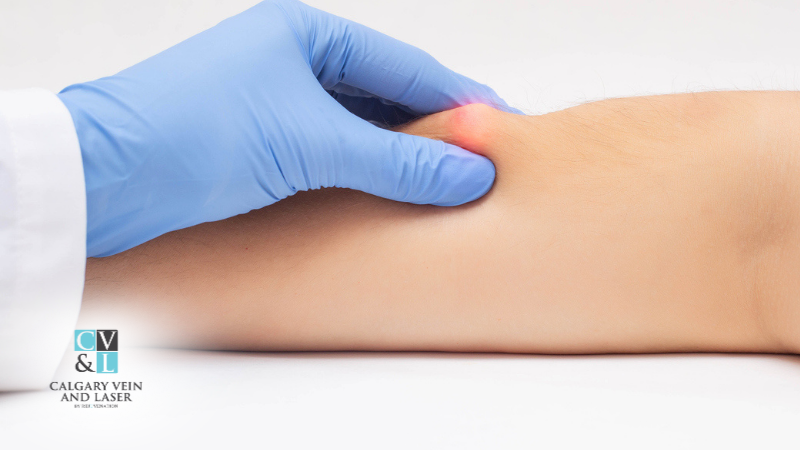
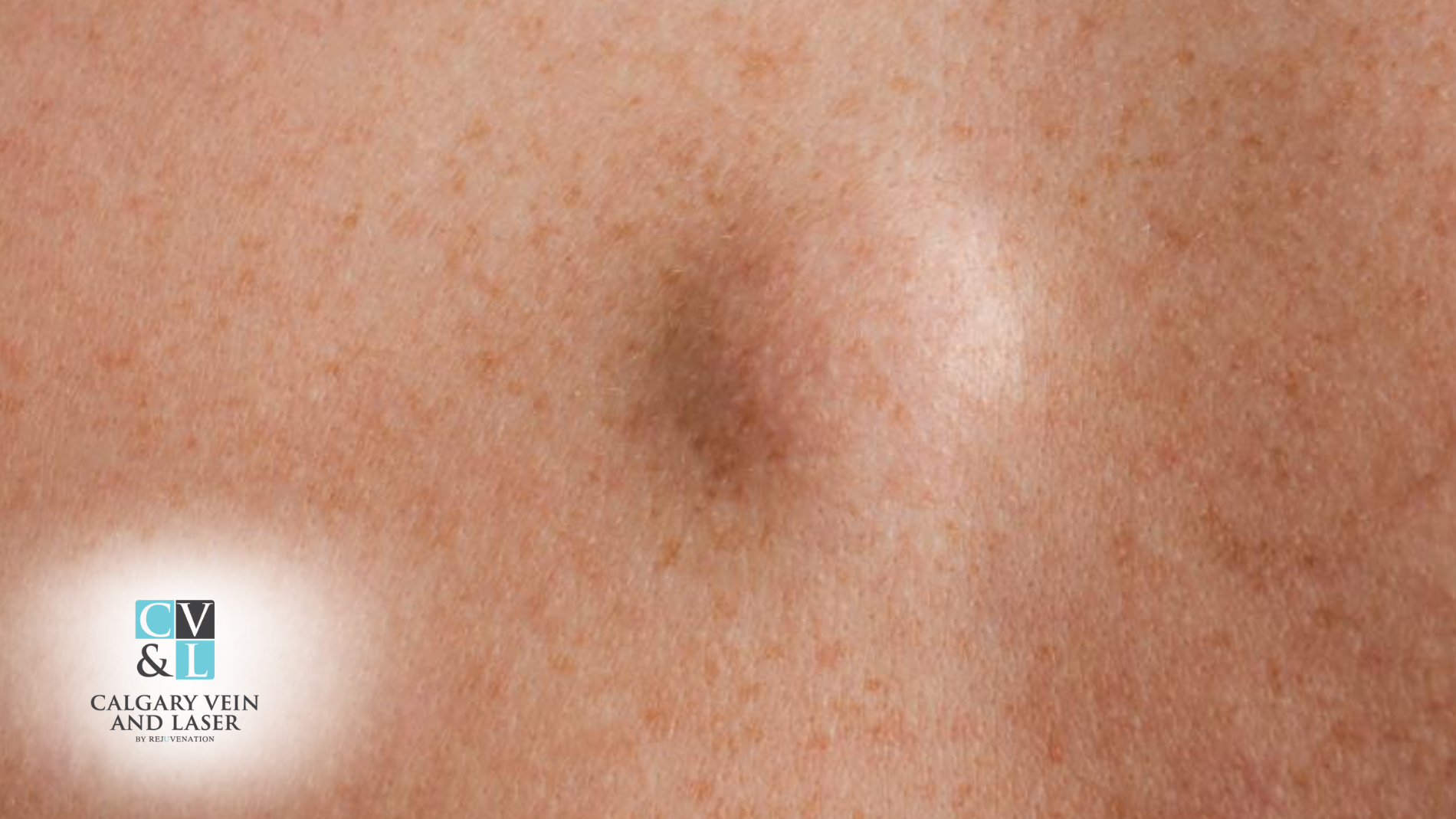
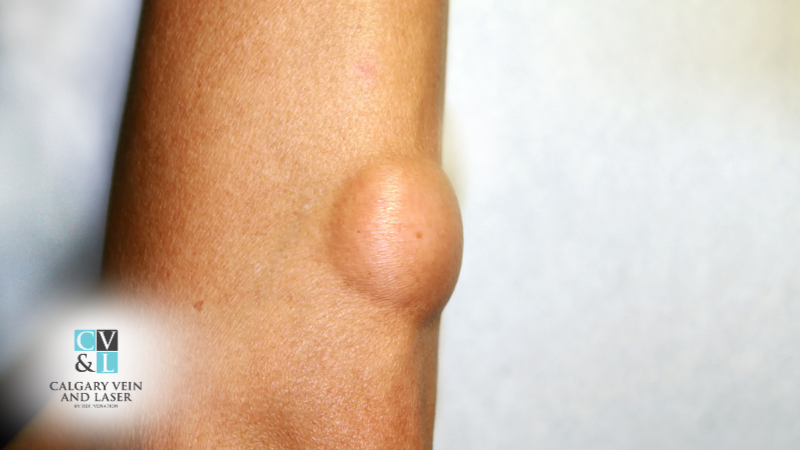
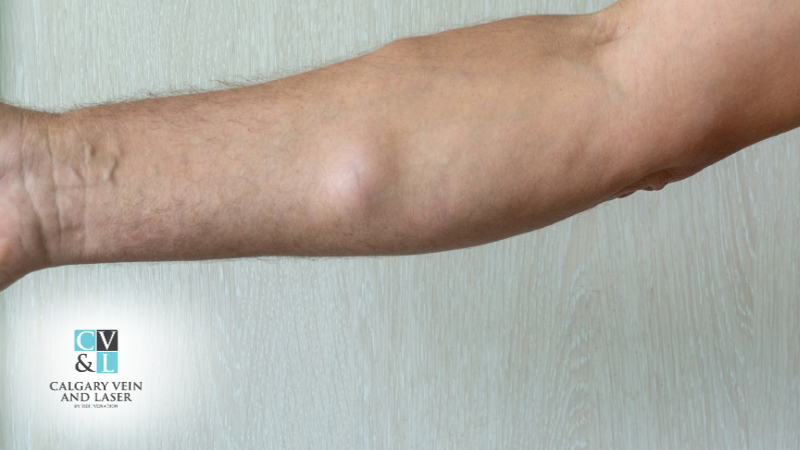
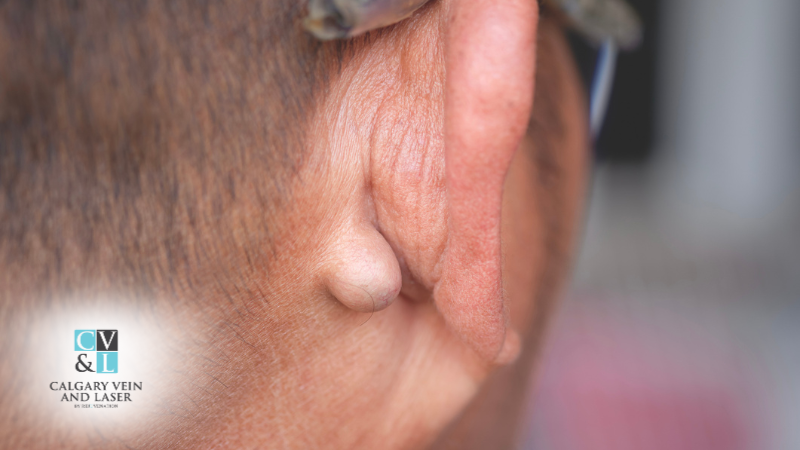
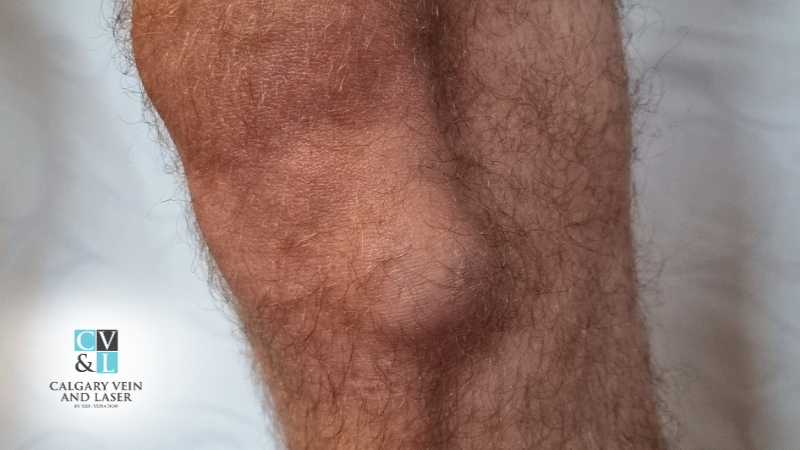
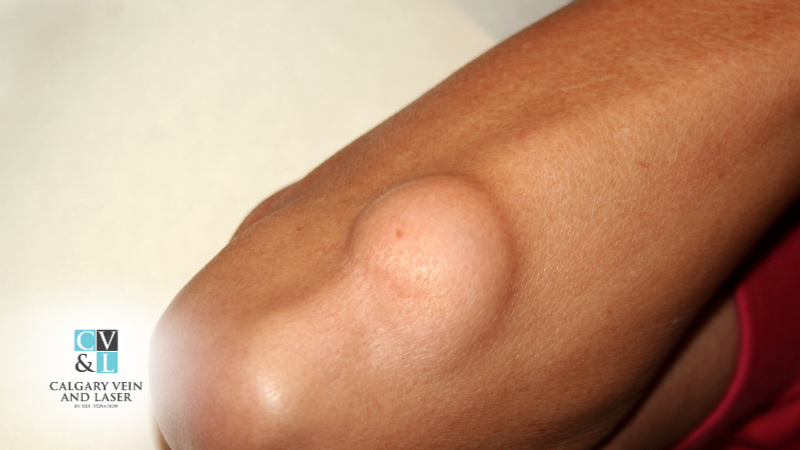
If you’ve been diagnosed with a lipoma, you may be searching for a minimally invasive way to remove it with minimal downtime and scarring. While many treatment options are discussed online, not all are effective or medically recommended. At Calgary Vein & Laser, lipomas are treated using excision surgery, a precise, minimally invasive approach that removes the entire growth safely and permanently. Understanding what “minimally invasive” truly means can help you make confident, informed decisions about your care. This article explains which lipoma removal options actually work, which ones don’t, and what to expect from modern, minimally invasive treatment. If you have questions about a lump or your options, contact Calgary Vein & Laser for a professional evaluation.
In medical terms, “minimally invasive” refers to procedures that limit tissue disruption, reduce recovery time, and minimize scarring. For lipoma removal, this does not mean avoiding surgery altogether. Instead, it means using a small, carefully placed incision to remove the lipoma completely while preserving surrounding tissue.
At Calgary Vein & Laser, lipomas are removed through minimally invasive excision surgery, performed under local anesthesia in an outpatient setting. This approach provides reliable results with minimal discomfort and downtime.
Lipomas are made of mature fat cells enclosed within a thin capsule beneath the skin. Because of this structure, they cannot be dissolved, drained, or treated with topical products or medications. The body does not naturally break down or absorb lipomas over time.
To permanently remove a lipoma and prevent recurrence, both the fatty tissue and its capsule must be removed. This is why excision surgery remains the gold standard for treatment.
Liposuction
Liposuction is sometimes mentioned as a less invasive option, particularly for larger lipomas. However, it does not remove the capsule surrounding the lipoma, which significantly increases the risk of regrowth. For this reason, it is not considered a reliable or preferred treatment for most lipomas.
Steroid Injections
Steroid injections may temporarily reduce inflammation around a lipoma but do not remove the fatty tissue itself. Results are inconsistent, and the lipoma typically remains.
Laser-Only Treatment
Laser technology cannot dissolve or remove fatty tumors. While lasers are not used to remove lipomas directly, they may be helpful after excision to improve skin texture or minimize visible scarring.
Home or “Natural” Remedies
There is no scientific evidence that creams, massage, or home treatments can eliminate lipomas. Attempting self-treatment can delay proper care and cause unnecessary irritation.
Minimally invasive excision surgery offers the safest and most predictable results for lipoma removal. The procedure involves:
Most procedures take under an hour and allow patients to return to normal activities quickly. By removing the entire lipoma, excision surgery provides permanent results with a very low risk of recurrence.
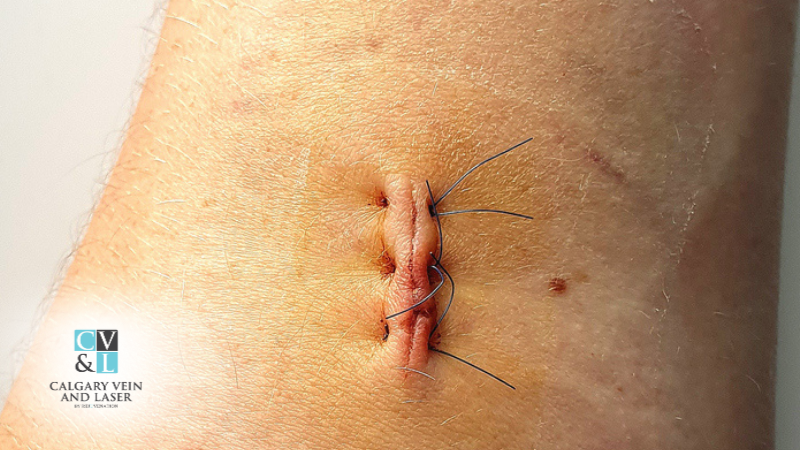
Recovery from minimally invasive excision is typically straightforward. Mild swelling or tenderness may occur for a few days, and most patients resume daily activities within a short period. Full healing usually occurs within one to two weeks.
While a small scar is expected, careful surgical technique helps minimize its appearance. For patients concerned about residual redness or texture, laser treatment may be recommended after healing to refine the skin and improve cosmetic outcomes.
Minimally invasive excision is appropriate for most lipomas, particularly those that:
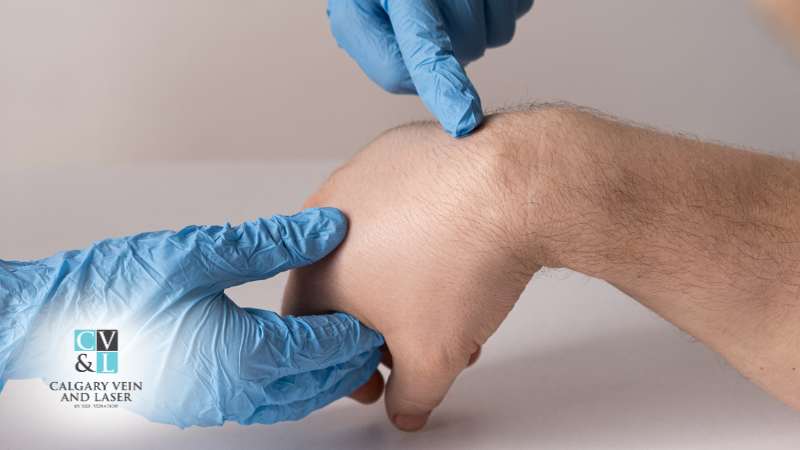
A professional assessment ensures the lump is a lipoma and helps determine the best treatment approach.
While many options are discussed online, minimally invasive excision surgery remains the only proven way to remove lipomas safely and completely. Calgary Vein & Laser provides expert evaluation and precise treatment designed to deliver lasting results with minimal downtime. If you’re considering lipoma removal or want clarity about your options, contact us today to schedule an assessment.
Yes. When performed through a small incision under local anesthesia, excision surgery is considered minimally invasive. Contact Calgary Vein and Laser today for effective and minimally invasive Lipoma removal.
No. Lipomas require excision surgery for complete and permanent removal.
Liposuction does not remove the lipoma capsule and carries a higher risk of recurrence, making it less effective than excision.
Take the first step toward confidence! At Calgary Vein & Laser, we provide advanced treatments to improve vein health and enhance skin radiance. Rid yourself of varicose veins and rejuvenate your skin's complexion by booking your free consultation today—your journey to healthier veins and radiant skin starts here!
Lipoma Removal Calgary | Lipoma Excision Surgery Calgary | Lipoma Treatment | Minimally Invasive Lipoma Removal