- About
- Veins
-
Conditions
- Treatments
- Technology
- BOOK CONSULTATION
- Search Site
Not all soft lumps under the skin are the same. Many people wonder whether a noticeable bump is a lipoma or simply a fat deposit related to weight changes or body composition. While both involve fatty tissue, they behave very differently and require different approaches. At Calgary Vein & Laser, we regularly evaluate skin lumps to determine whether monitoring or excision surgery is the best option. Understanding the key differences between lipomas and fat deposits can help you avoid unnecessary worry and seek the right care at the right time. This guide explains how to tell them apart and when professional evaluation is recommended. If you’re unsure about a lump, contact Calgary Vein & Laser for expert assessment.
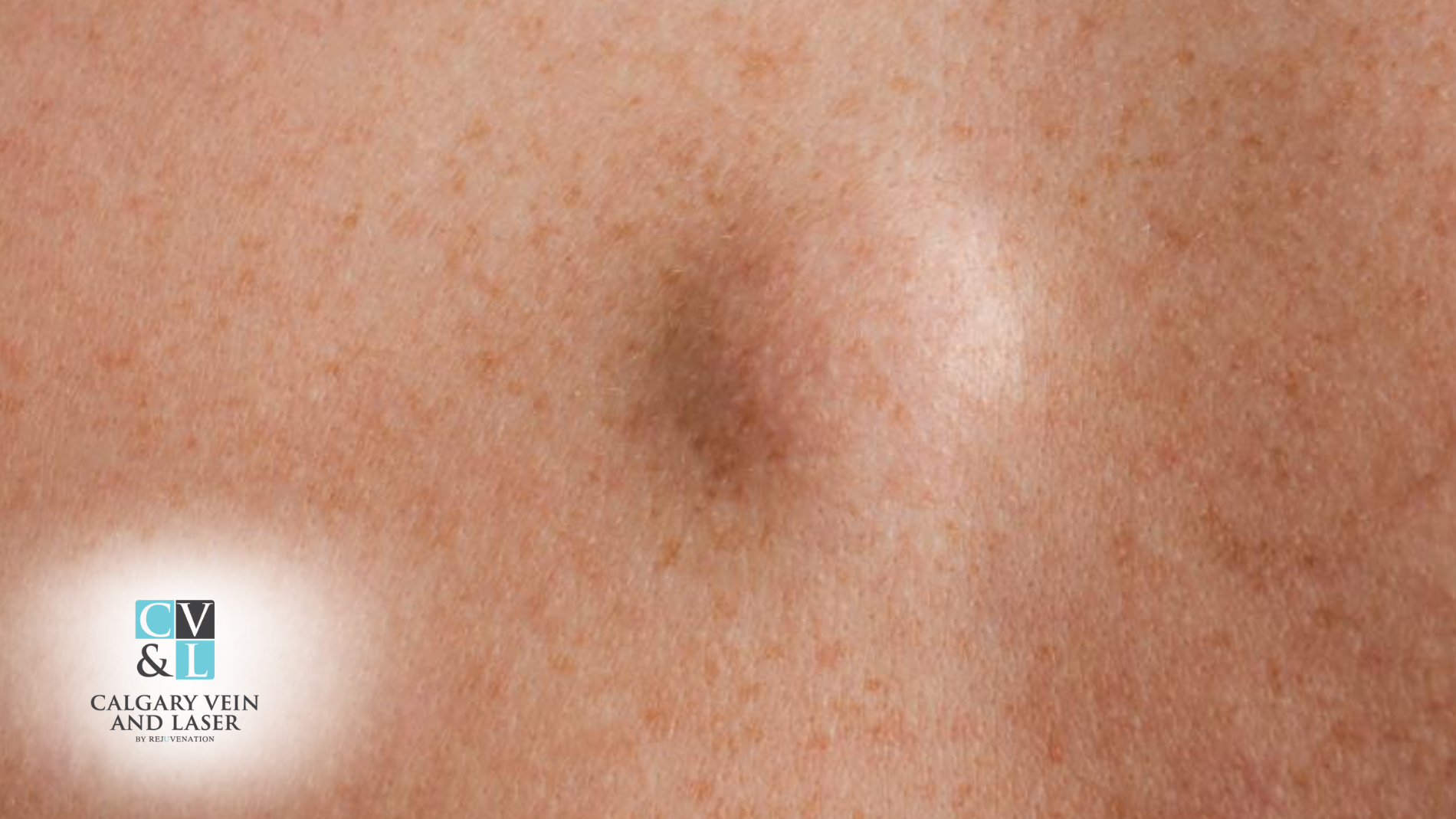
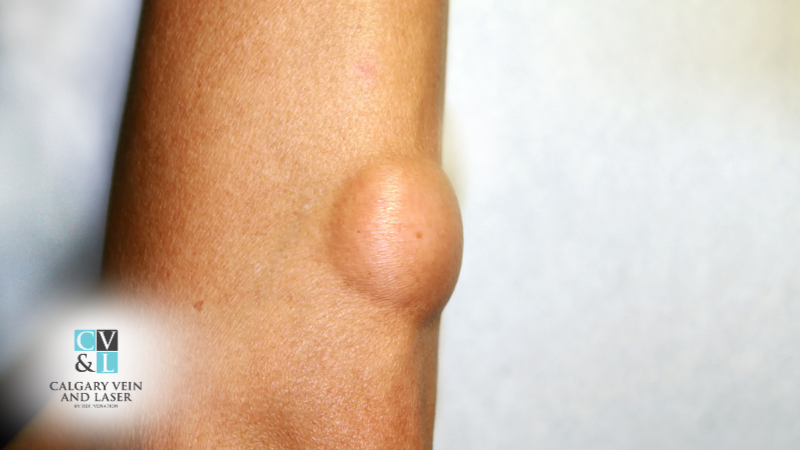
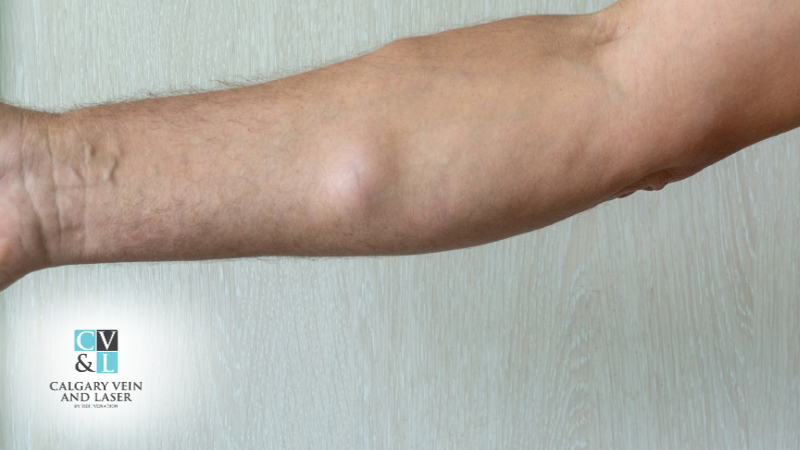
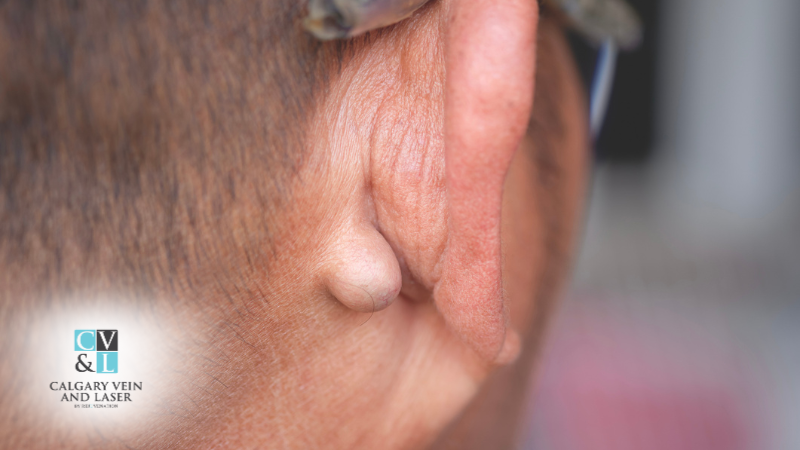
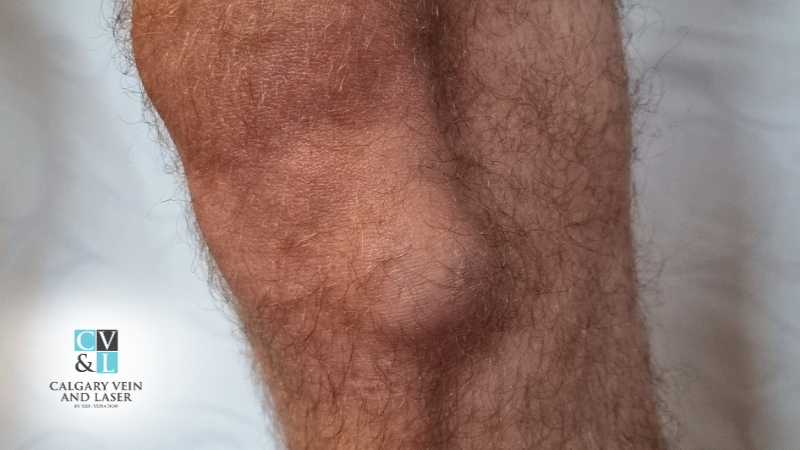
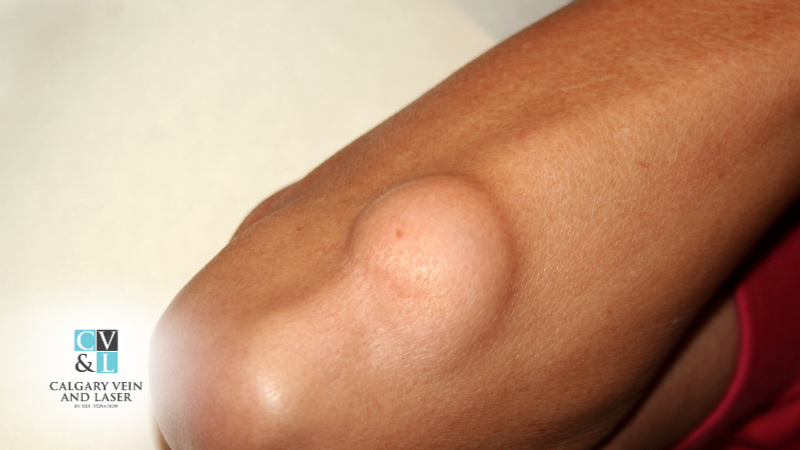
A lipoma is a benign, non-cancerous growth made up of mature fat cells that forms beneath the skin. Lipomas are enclosed within a thin capsule, which separates them from surrounding tissue. This structure is what makes them behave differently from normal body fat.
Lipomas typically:
They most commonly appear on the arms, shoulders, back, neck, or thighs but can develop almost anywhere on the body.
A fat deposit refers to normal body fat that accumulates in specific areas due to genetics, hormones, or weight changes. Unlike lipomas, fat deposits are not encapsulated and are part of the body’s natural fat distribution.
Fat deposits typically:
Common areas for fat deposits include the abdomen, hips, thighs, and upper arms.
Lipomas are frequently mistaken for fat deposits because they are made of fatty tissue and often feel soft. Many people assume a lump is related to weight gain or aging, especially if it develops gradually. However, because lipomas do not respond to diet or exercise, they tend to persist even when other areas of the body change. This is often when patients seek professional evaluation.
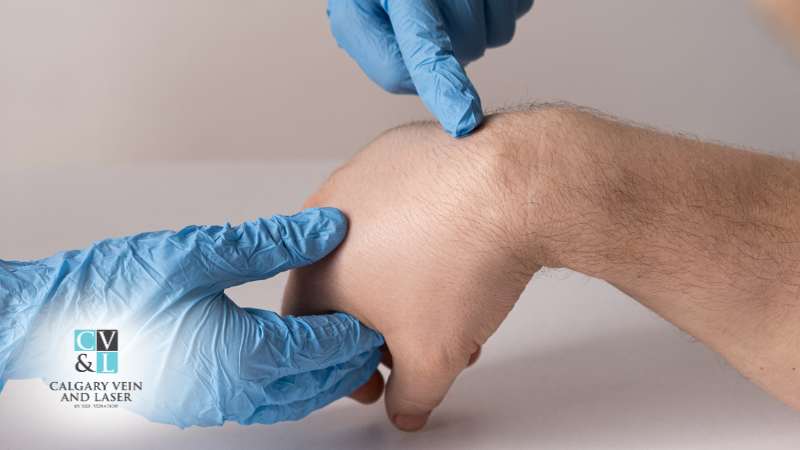
Any new or changing lump should be assessed by a medical professional, especially if it:
In some cases, ultrasound imaging may be used to confirm whether a lump is a lipoma or another type of growth.
No. Because lipomas are encapsulated, they cannot be reduced through weight loss, exercise, massage, or topical treatments. Fat deposits may change with lifestyle adjustments, but lipomas do not. The only effective treatment for a lipoma is excision surgery, which removes the growth and its capsule completely. This minor, in-office procedure provides permanent results and prevents recurrence.
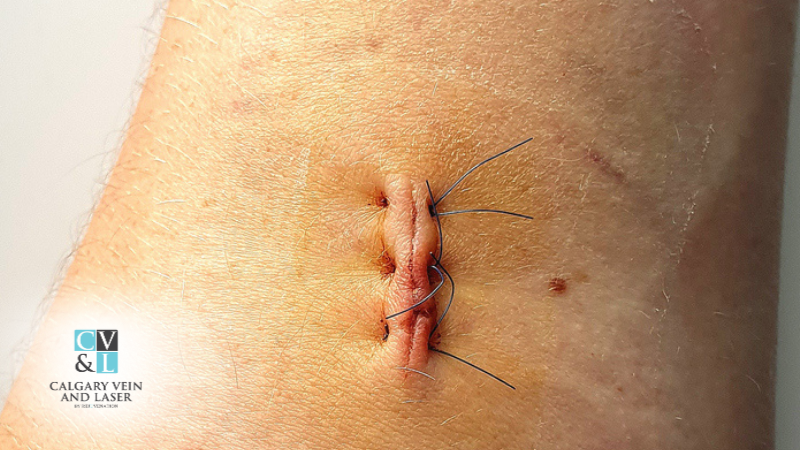
Excision surgery allows for precise removal of the lipoma while preserving surrounding tissue. At Calgary Vein & Laser, this procedure is performed under local anesthesia and typically involves minimal downtime. Removing the entire capsule is essential, as partial removal can lead to regrowth. Excision surgery ensures both medical clarity and long-term peace of mind.
Understanding the difference between a lipoma and a fat deposit can help you decide when professional care is needed. While fat deposits are part of normal body composition, lipomas are distinct growths that require medical assessment. Calgary Vein & Laser provides expert evaluation to help patients determine whether monitoring or excision surgery is the appropriate next step.
If you’ve noticed a lump that doesn’t change with weight loss or feels different from surrounding tissue, professional assessment is the best way to get answers. Calgary Vein & Laser offers accurate diagnosis and safe, effective treatment for lipomas. If you’re unsure whether a lump is a lipoma or a fat deposit, contact us today to schedule an evaluation.
Lipomas are usually soft, movable, and well-defined, while fat deposits feel diffuse and change with weight. Still unsure? Contact Calgary Vein and Laser today and we will help identify the lump and give a recommended treatment plan based on our findings.
No. Lipomas do not grow due to weight gain, although they may become more noticeable.
No. Lipomas do not shrink or disappear with weight loss.
Take the first step toward confidence! At Calgary Vein & Laser, we provide advanced treatments to improve vein health and enhance skin radiance. Rid yourself of varicose veins and rejuvenate your skin's complexion by booking your free consultation today—your journey to healthier veins and radiant skin starts here!
Lipoma Removal Calgary | Fat Deposit Treatment Calgary | Excision Surgery | Lipoma and Fat Deposit Differences